Living archive · Film · Performance

The Sapphic Gospel

A film, performance and living archive of queer women’s stories that history left out.

A vision by Mila Tina and collaborators

What it is

A living archive of queer women’s memory, intimacy and lived experience.

Across centuries, the voices of queer women moved under conditions of silence shaped by law, society, and historical record.

The Sapphic Gospel gathers voices across generations, including elder women, young adults, and contemporary artists, into a living archive where past and present converge.

This work unfolds through film, sound, rhythm, and embodied performance.

An archive with no end date. Stories are collected on an ongoing basis. The long-term plan is to preserve them in a public library archive, so they become part of the historical record.
From the archive
Love moves through whispers.Victories exist outside documentation.Existence shifts through rewriting and removal.
They live.They love.They fight.

We carry this forward.

Work in progress. Music by Mila Tina.
Structure

The work in four movements

I

The Unspoken

Erasure and silence

Fragmented memory. Felt experience outside recorded systems.

II

The Cost

Censorship and survivalTo touch her hand was to risk your name.To speak her name was to risk your life.
Interlude

The Breath Between

A threshold between silence and expression
III

The Pulse

Love and defiance

Memory transmits through rhythm, movement, and presence.

IV

The Gospel

Reclamation and legacy

A collective archive where stories move into permanence.
Share your story

Your story, in your own words, at your own pace.

A memory. A moment. A connection. You can share as much or as little as you want.

How you can share

  • Write your story in a short online form.
  • Add a photo, video, letter or document if you have one (up to 10 MB).
  • Use your name, an alias, or nothing at all.
  • Only an email is required, so we can reach you.

You decide

  • Artistic use: whether your story can be used in film, performance or installation.
  • Research: whether it can be used in research.
  • Anonymity: whether you remain anonymous.
  • Contact: whether you are open to being contacted.
  • Materials: whether they stay private unless you are contacted.

Good to know

  • There is no deadline. The archive stays open.
  • Please leave out anything sensitive you prefer to keep private.
  • Questions before you share? Write to Mila.

Opens a short form on Tally in a new tab.

Who we are inviting

This project calls for voices, presence, and material.

Queer women (50–80+)

  • Interview participants: women sharing lived experience in voice, writing, video, or anonymous form.
  • Censorship & resistance: participants with lived experience of erasure and resistance.
  • Archivists of self: individuals holding letters, photographs, recordings, or personal archives.
Share your story

Artists & creators

  • Visual & movement: visual artists, filmmakers, poets, dancers.
  • Sound & rhythm: musicians, composers, drummers.
  • Multimedia: installation creators engaging memory and embodiment.
Propose a collaboration

Institutions & partners

  • Cultural spaces: residencies, museums, and curators.
  • The keepers: archivists, researchers, and historians.
  • Collaborators: producers, funders, and technical partners.
Get in touch
Artist residency
The Church, Sag Harbor

The Sapphic Gospel was developed in part during an artist residency at The Church in Sag Harbor, supporting the work across performance and archival research.

With Keeana Kee, Ariana Castelli and Alona Lapkovska.
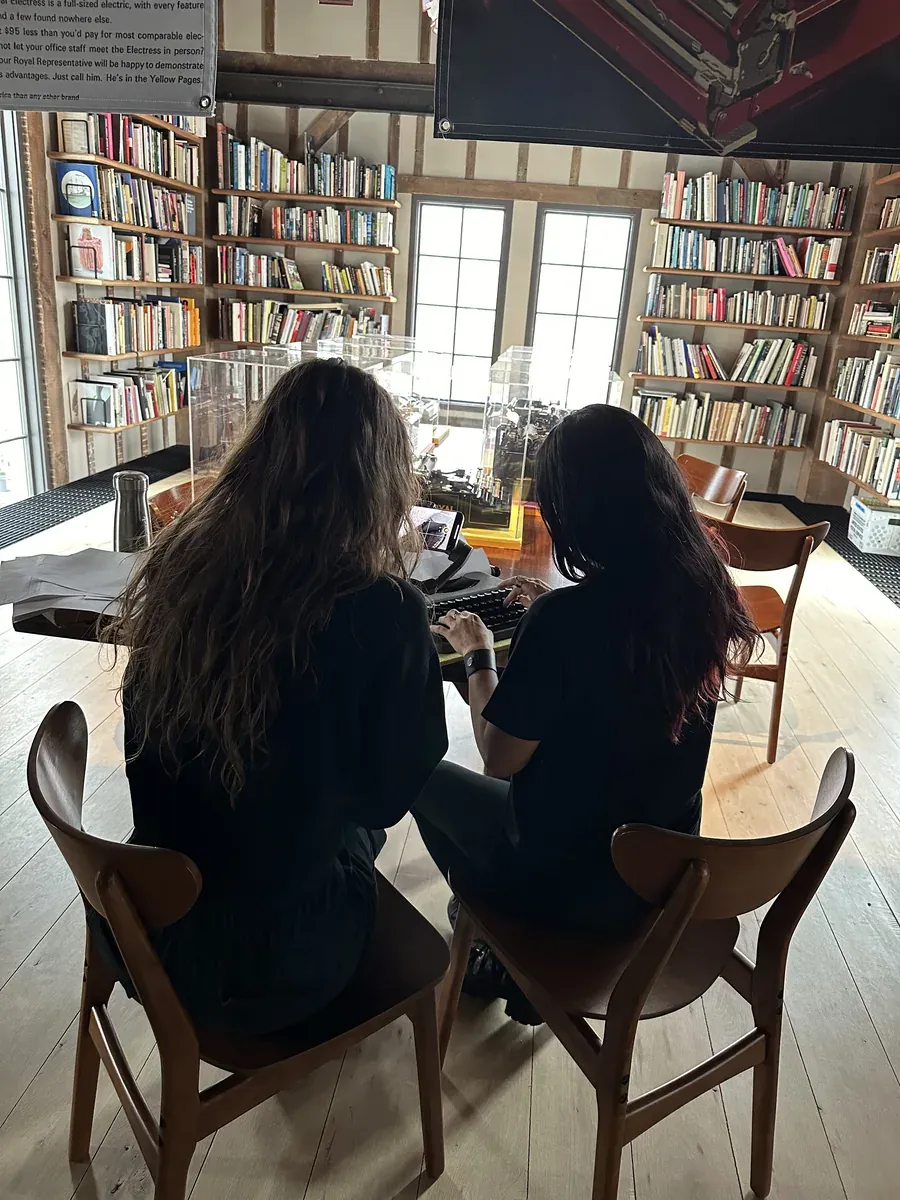
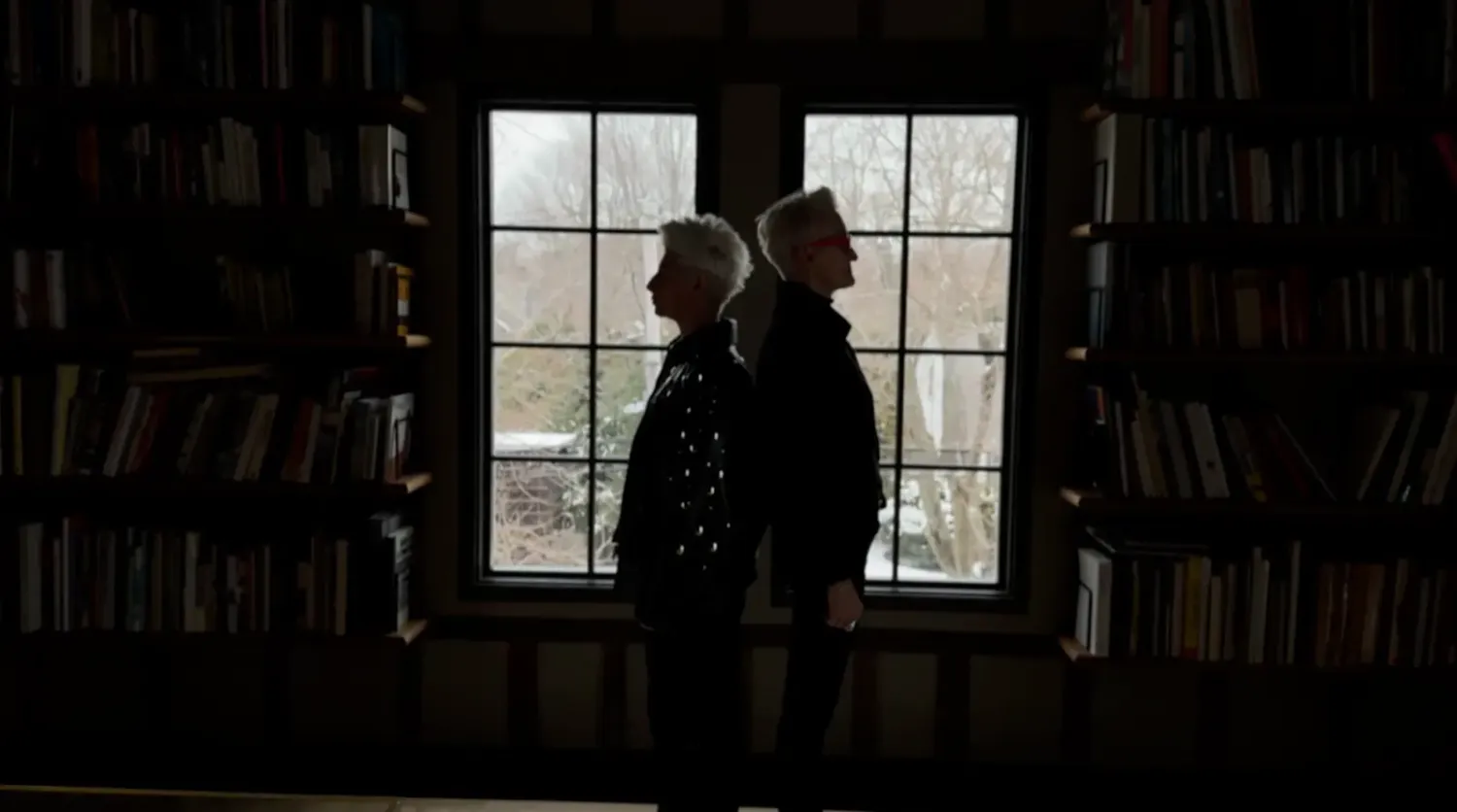
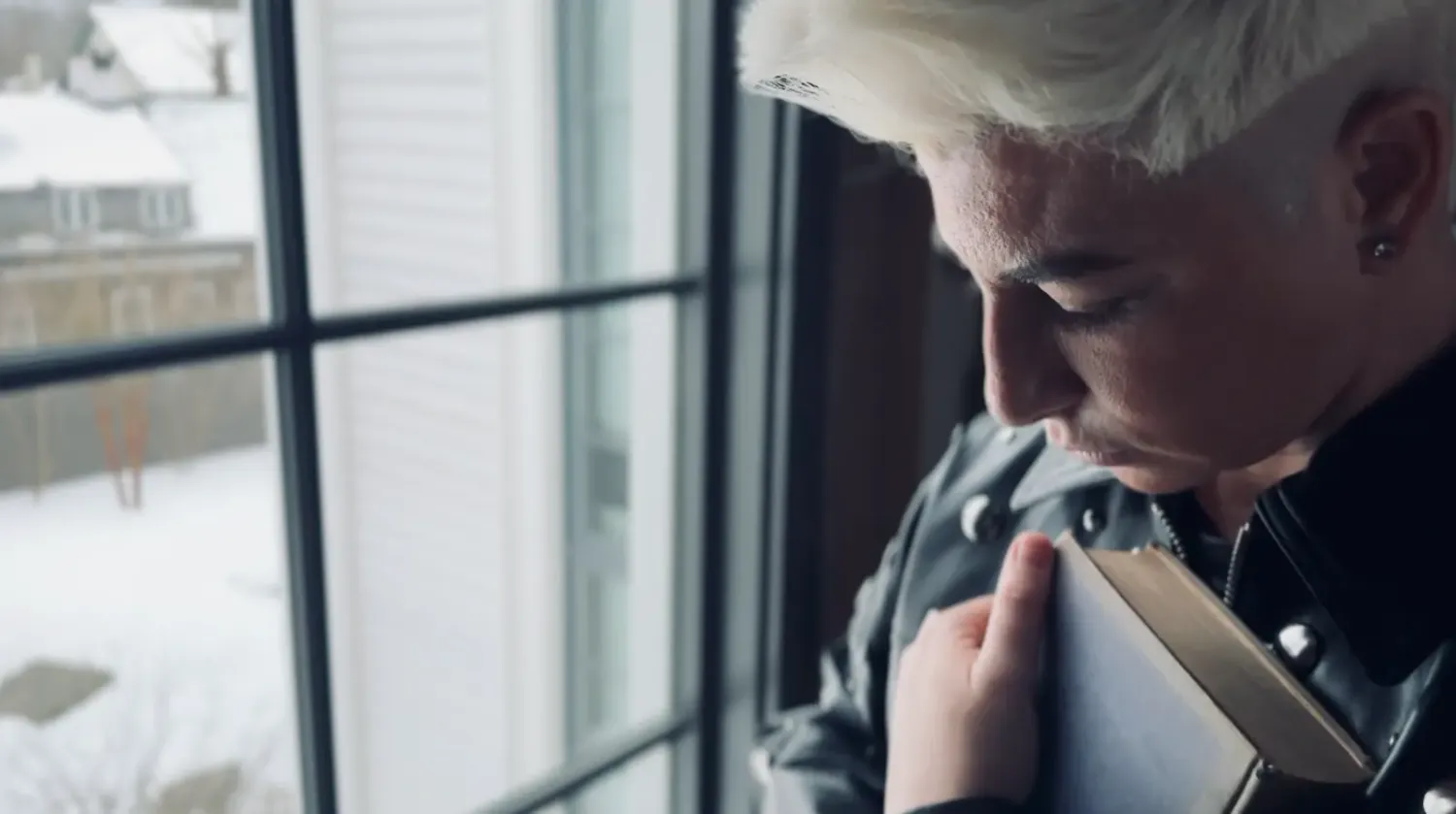
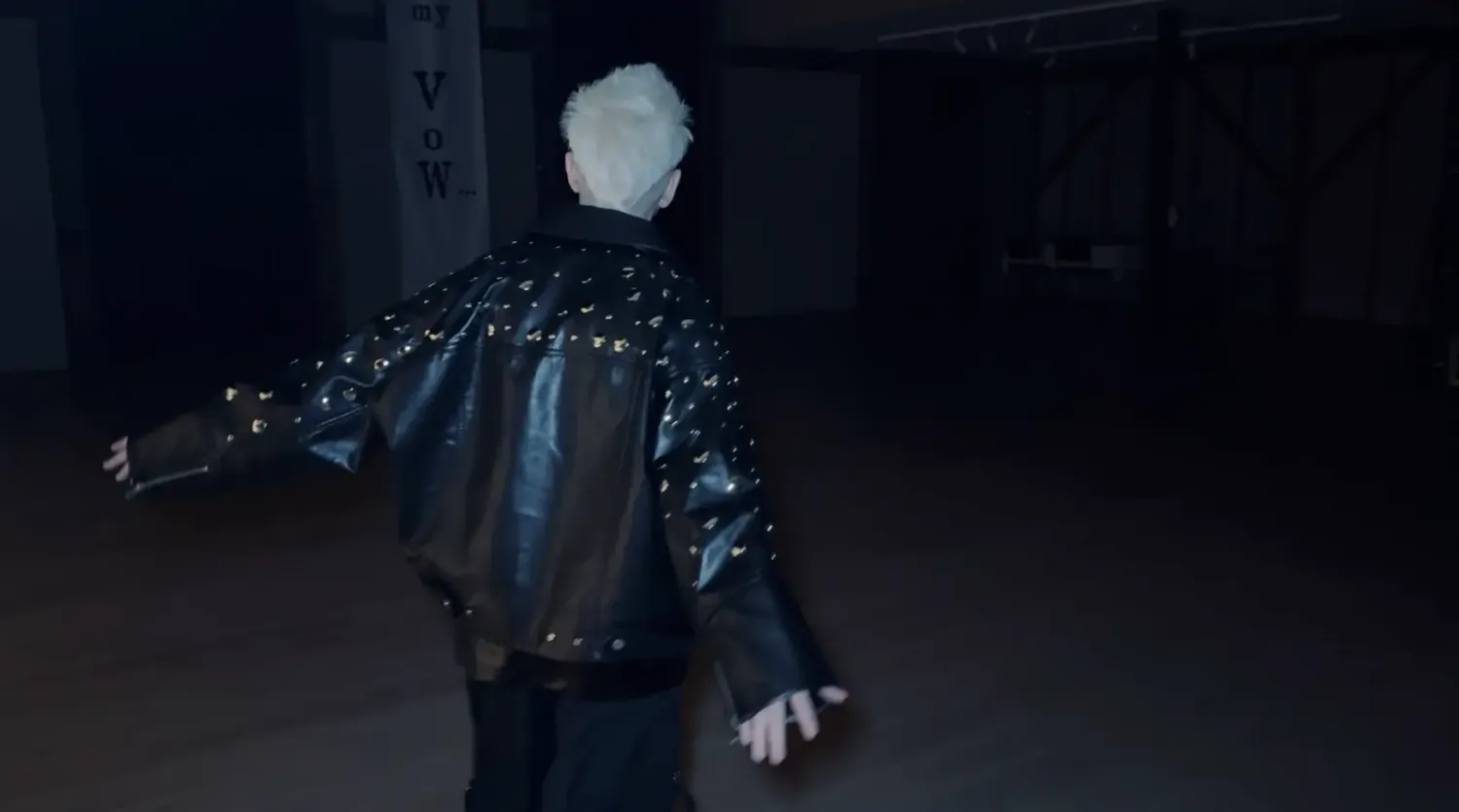
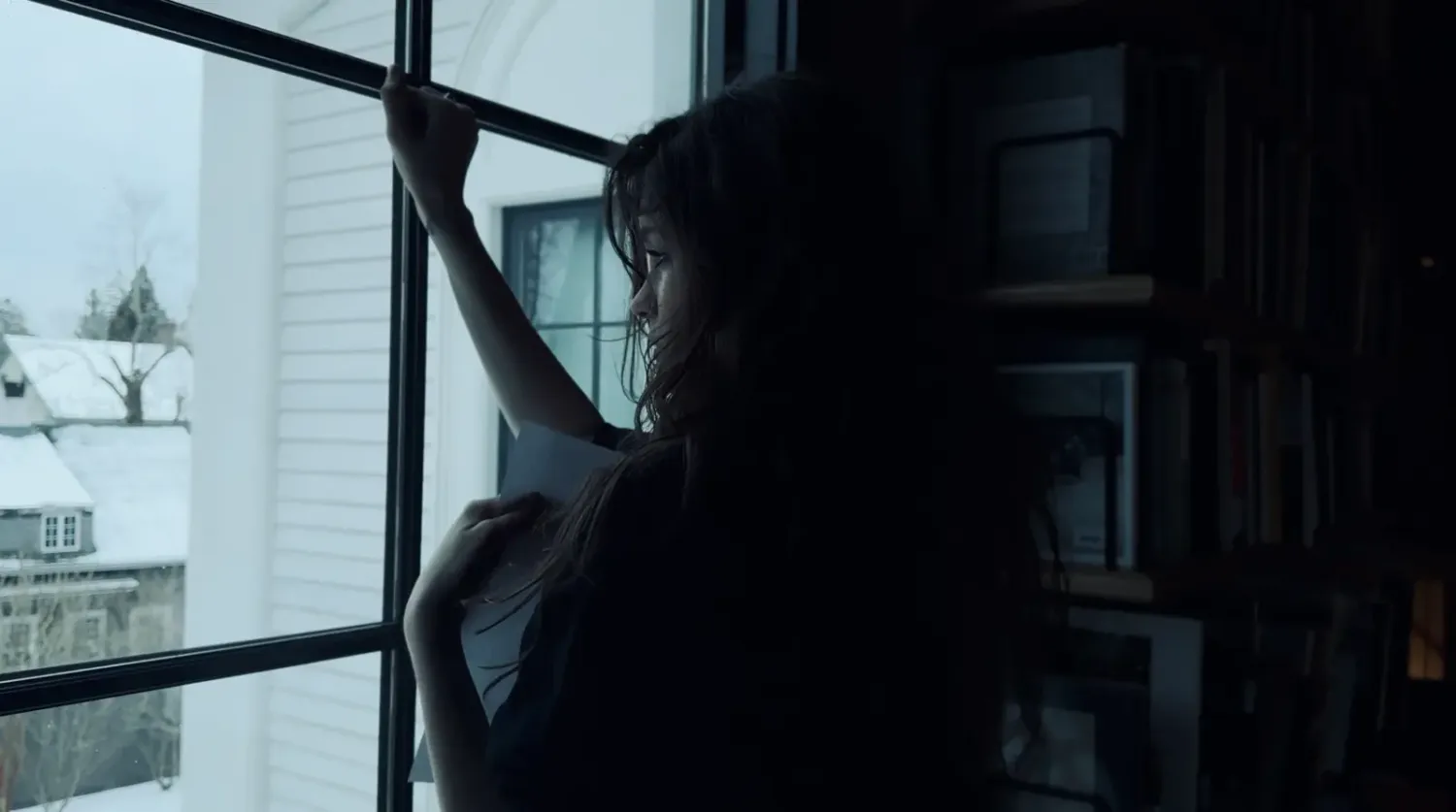
Two women seen from behind, writing at a table in The Church libraryTwo figures standing back to back by a library windowA performer holding a book close to the chest by a snowy windowA performer in a studded leather jacket moving through an empty hallA woman with long dark hair leaning against a tall window, holding a page
At The Church, Sag Harbor.
Why this matters

Many names moved outside record. Many voices moved outside documentation.

Queer women across time and culture persist in presence, memory, and relational experience. This work makes room for that presence to be seen, heard and kept.

Each story becomes part of the archive and helps shape the film, the music and the performance.

Write The Sapphic Gospel together.