Mila Tina

Research

Rhythm, the body, and what they carry.

Rhythm is part of how we live, often before we become aware of it. It shapes our movements, accompanies our rituals, and connects private experience with collective life.

My research begins with listening: to the body, to the people I learn from, and to the histories that shape a practice. Through biosignal experiments, movement, conversation, and field research, I explore how rhythm connects physiology, memory, and cultural knowledge.

Performance is one place where these questions take form. Teaching and learning from others are equally part of the inquiry.

01

BioSymphony

Listening to the body

The body has rhythms we can feel and others that remain outside our awareness. BioSymphony explores what becomes perceptible when physiological signals take audible and visible form.

Question
How might we listen to the body through sound and image?
Method
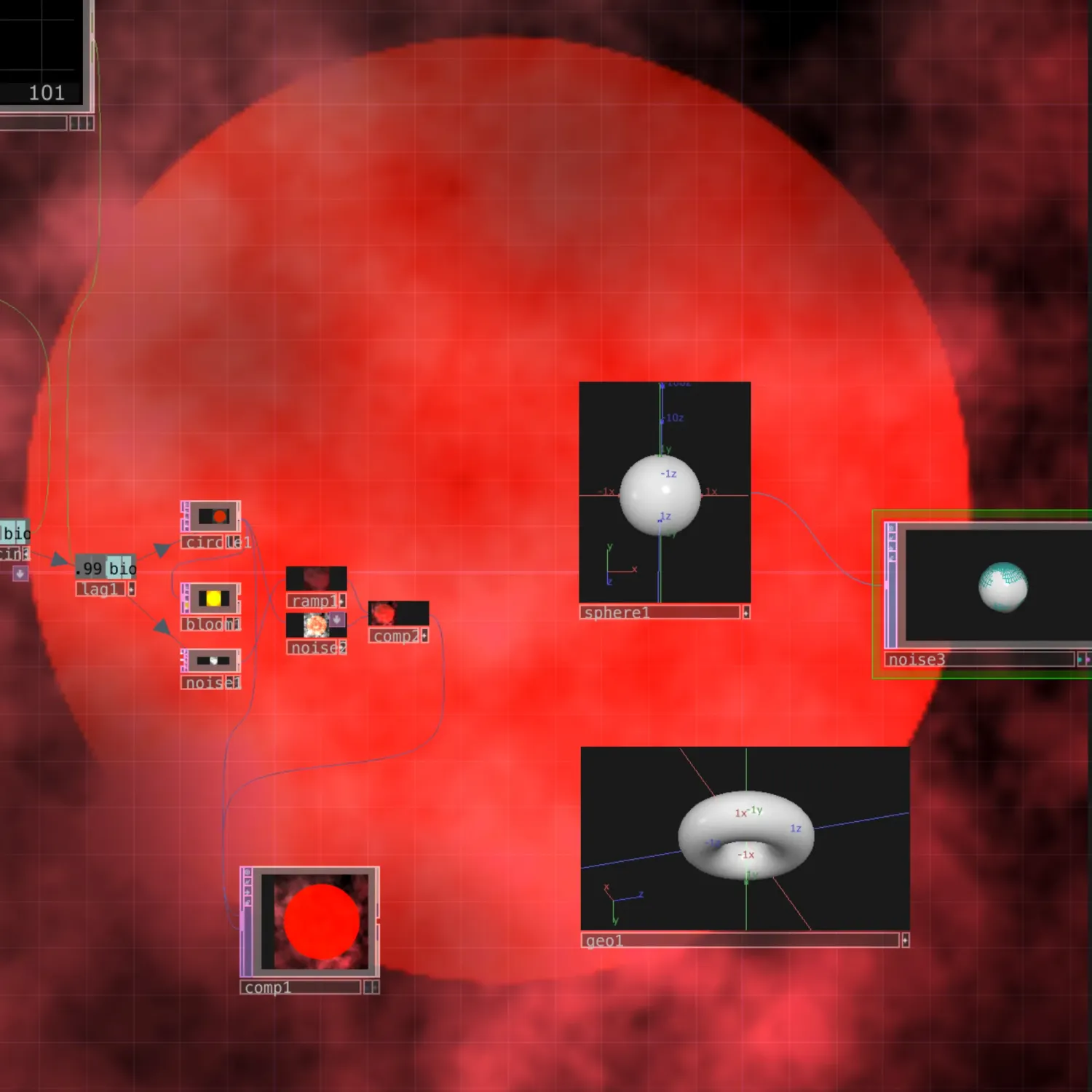
A heart rate variability sensor feeds live data into a custom signal chain, shaping generative visuals and sound in real time.
Status
Working prototype. Breath and movement inputs are in development, with EEG planned for a later phase.
Explore BioSymphony →
BioSymphony prototype interface in TouchDesigner

02

Symbiotrix

Brain activity, movement, and perception

A movement can be seen. The internal activity accompanying it is less apparent. Symbiotrix brought live EEG visualization, martial arts, and improvised percussion into a shared performance, inviting an audience to consider the relationship between what is visible and what is happening within.

Question
How does seeing a representation of brain activity change the way we perceive a body in motion?
Method
Live EEG visualization of a martial artist in motion, accompanied by improvised percussion.
Status
Presented at WAGMIAMI at Factory Town during Art Basel Miami Beach week, 2021.
See Symbiotrix →

03

The Sapphic Gospel

Story, intimacy, and cultural memory

There are histories we inherit publicly and others we come to know through intimate conversation. The Sapphic Gospel explores queer women’s lived experiences and the responsibility that comes with receiving another person’s story.

Question
How can queer women’s stories be witnessed while respecting what remains private?
Method
Private interviews, film, and performance inform the development of a living archive.
Status
Ongoing. Developed during my 2025 residency at The Church in Sag Harbor. Interviews remain private.
Explore The Sapphic Gospel →

04

TAMBORA

Rhythm at its source and beyond

What does a rhythm carry from one person to another? A way of moving, a history, a relationship to place. TAMBORA follows these questions through encounters with the people who teach and sustain rhythmic traditions, with particular attention to women’s knowledge and experience.

Question
What can learning a rhythm teach us about the lives, places, and histories it belongs to?
Method
Learning from practitioners in the places where these traditions are lived, and documenting each encounter through field journals, conversations, and reflection.
Status
Ongoing. Field Journal 002, Puerto Rico, is published. The Chile journal is in preparation.
Explore TAMBORA →

05

Rhythm and learning

Attention through practice

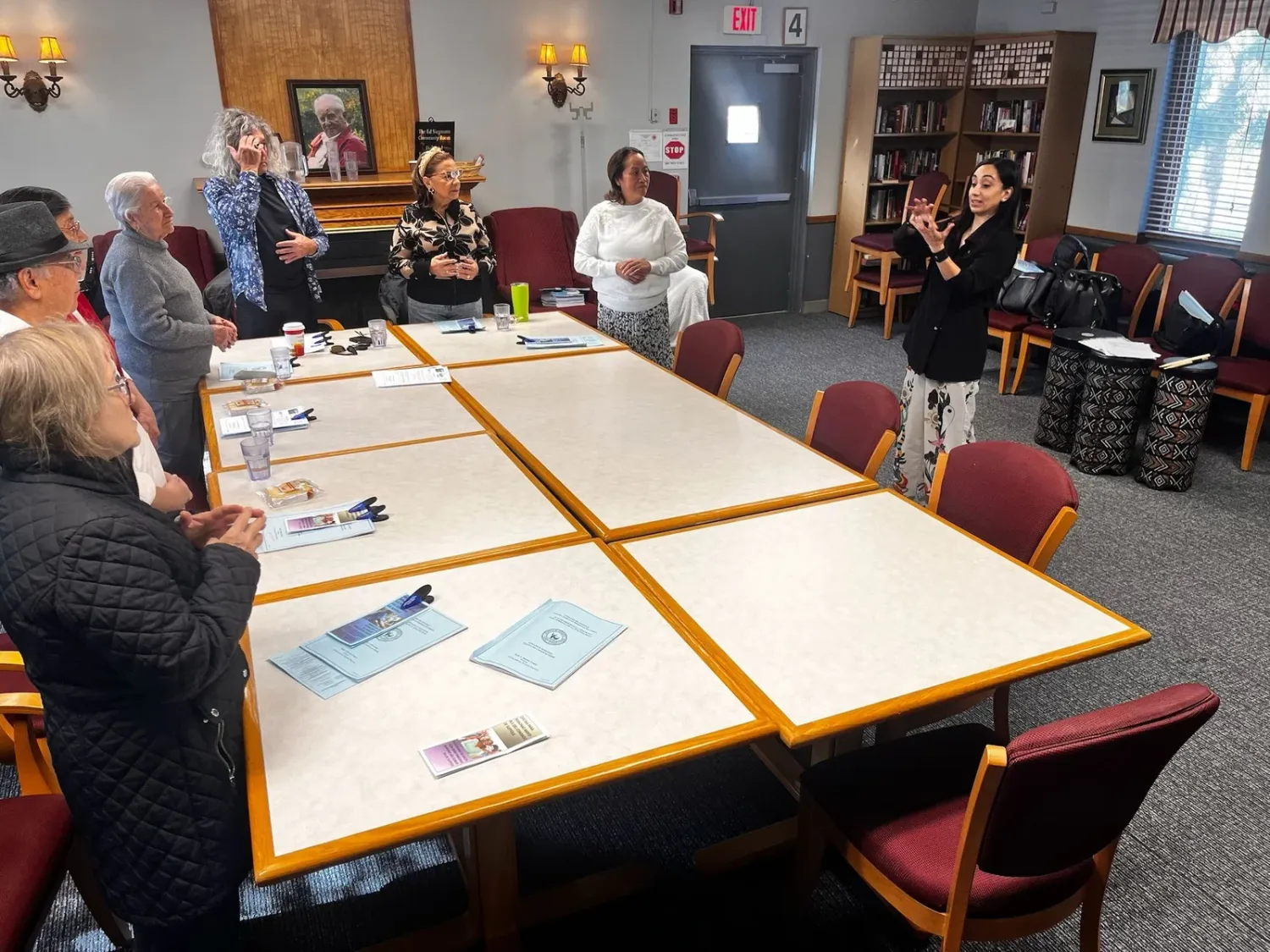
Practicing rhythm asks us to listen, coordinate, remember, and respond. In a group, it also asks us to attend to one another. My educational work explores these relationships through shared rhythmic practice.

Question
What can rhythm practice reveal about how we pay attention, learn, and connect?
Method
BioRitmo and rhythm workshops with schools, seniors, and community groups, taught in English and Spanish.
Status
Ongoing.
Workshops & Talks →
Mila Tina leading a rhythm and movement session with older adults

How these inquiries connect

The body is present in every strand: sensing, moving, learning, remembering. So are the relationships through which knowledge develops, whether with a teacher, a collaborator, an audience, or someone sharing a story.

These projects use different methods and ask different things of me. Together, they deepen an inquiry into how we come to know through rhythm, and how that knowledge is communicated.

Residencies and collaborations

I welcome collaborations that make room for sustained inquiry, practical experimentation, and exchange across disciplines.

Areas of interest include biosignal interaction, neuroscience and cognitive science, sound and music, movement, cultural memory, and embodied learning.

Possible formats include research residencies, collaborative development, open studios, public performances, artist talks, and lecture demonstrations.

Previous residency: The Church, Sag Harbor, 2025.