How do I embrace who I am while leaving room for who I am becoming?
That question is where Be & Become started.
It became an experimental concert film, built around my live drumming, that I shared with young people through OLA of Eastern Long Island’s Myth & Motion.
The piece took shape in 2020, as the pandemic began. The world went quiet, and the questions I had carried for years got louder: how I grew up, what happened to me, what I had been taught to accept and what I wanted to change. Isolation turned the work inward, while the world outside kept pressing in. Music, movement and images became a way to think through all of it, and the way I began to find my voice.
To “be” meant accepting my present state. Who I was, what I felt, even the parts I didn’t completely understand yet.
To “become” meant allowing myself to change, to move toward my desires and dreams without deciding that the person I was today had to be the person I would always be.
I wanted to allow both. To feel the full spectrum of my emotions without judging myself for having them, and to see what I could create from there.
An invitation from Minerva
Later that year, Minerva Perez invited me to participate in Myth & Motion, a project she led through OLA of Eastern Long Island with young people and their emotional well-being in mind.
I brought Be & Become into that project and added an introduction. Singer-songwriter Skylar Day’s song “Myth” followed, then the concert film of Be & Become. OLA presented the virtual event on September 1, 2020.
I wanted young people to know that it was okay to be scared. That fear, sadness or anger could be approached with curiosity. What might this feeling be telling me? What do I need?
Those were questions I was exploring in my own life, too.
Fire, water and what we do with what we feel
In the introduction, I use fire as an image for fear and anger. Fire can destroy, and it can also provide energy. The question is what we do with it.
The phoenix appears, rising from the ashes. Then comes water, with images of rain, oceans and new life. I wanted to make room for intensity, for renewal, and for the possibility of choosing what comes next.
That introduction ends by asking the viewer about their own vision and what they want to create.
She is alive
One of my favorite parts of Be & Become is the sequence about Mother Nature. She is alive, she is complex, and she is our home.
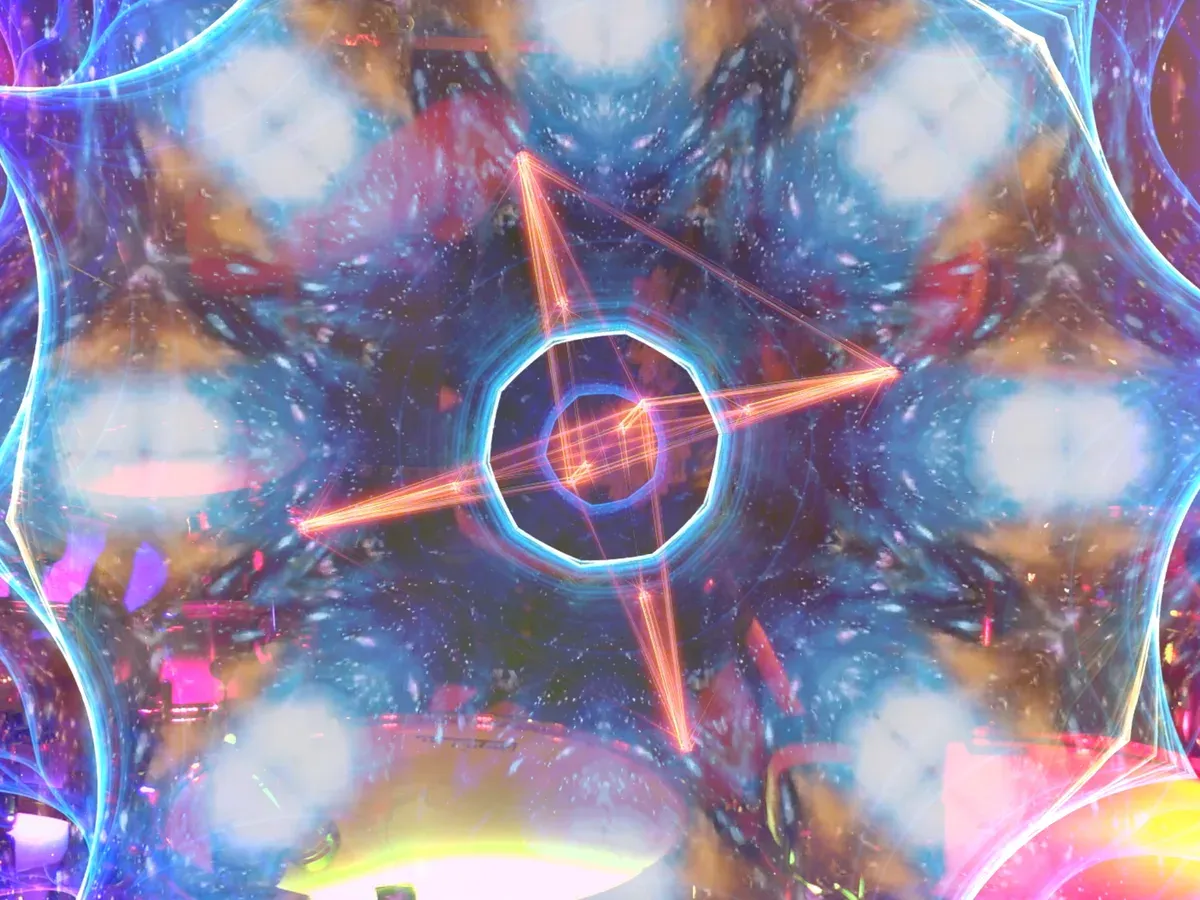
Here the film stops telling a story and starts showing a pattern. Shapes multiply, mirror and dissolve into one another, and the drumming holds them together. I was interested in the idea that complexity in nature comes from simple patterns repeating, and that our inner lives might work in a similar way.
Those layers come close to how I perceive the world and how my internal world feels. Looking at that much intricacy, it becomes hard to see ourselves as separate from it. We are part of the pattern.
The complexity I admire in her is connected to what I want to accept in myself. I’m alive, too. I feel joy, tenderness, fear, sadness and rage. I want to allow that whole spectrum, to be curious about it and to accept that all of it can belong to me.
That is part of what “be” means to me: allowing myself to be alive in all that complexity, while still making room to become.
Comfort, control and finding a voice
Part of the film looks at what pulls our attention away from ourselves and from each other. It is part of how the world around us is built, and I am inside it too.
I was born in Chile at the end of Pinochet’s dictatorship, around the time people voted “No” to keeping him in power. I grew up as the country was learning to speak up again, to raise its voice and be heard. Maybe that is why I notice the quieter ways we are kept from questioning things. Control doesn’t always arrive as force. Sometimes it arrives as comfort.
The film turns inward instead, through what hurts, toward what could change. That is the internal battle, and the world outside is very much part of it.
There are images of environmental destruction, violence and people being denied dignity. Children appear alongside the world they are inheriting. Greta Thunberg’s speech confronts the distance between saying we care and taking action.
My own questions about identity and emotion were connected to all of this. What happens around us becomes part of what we carry.
There is rage in the piece: the frustration of seeing injustice, of feeling oppressed, of wanting something wild within me to have a voice. I wanted to explore how that energy could become a catalyst for change.
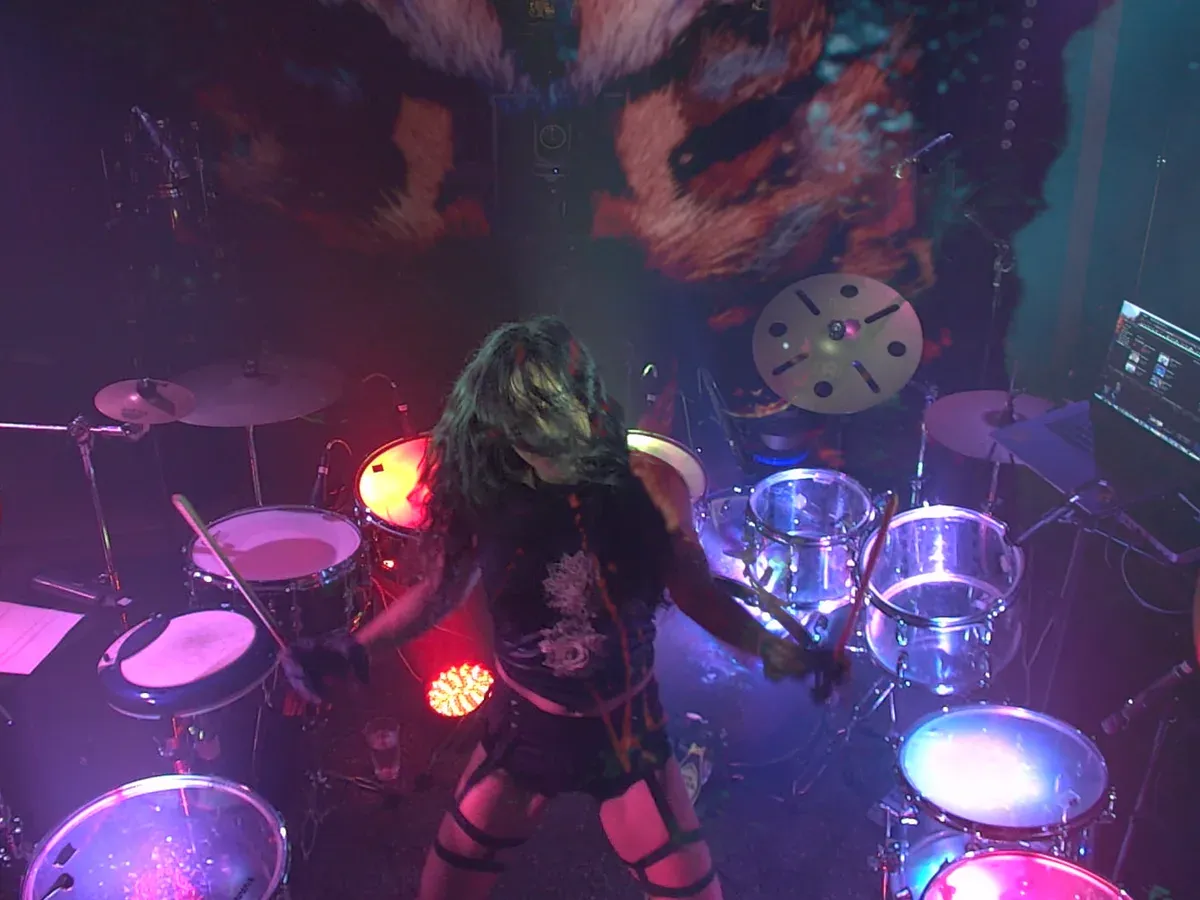
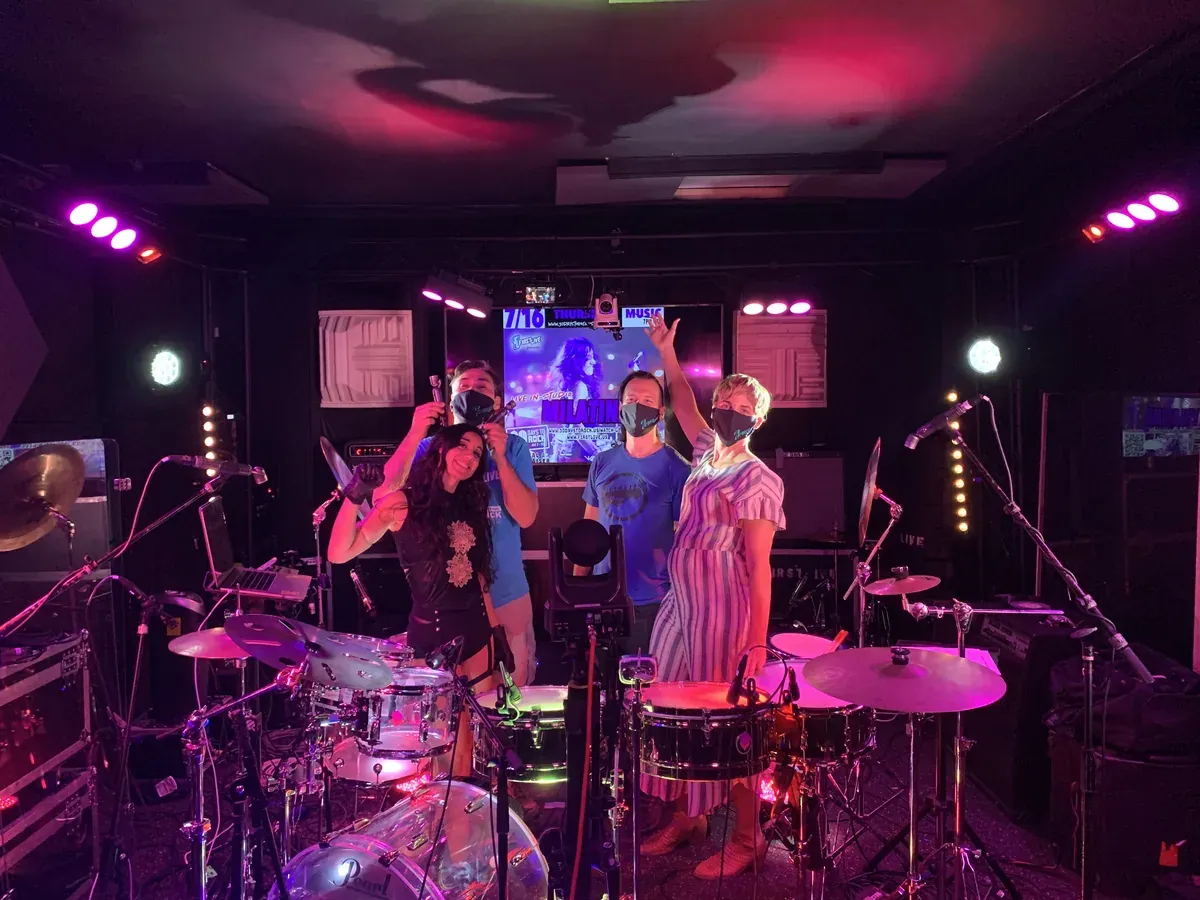
I built the film around a live drumming performance recorded at First Live Studio in Brooklyn, combining that footage with animation, photography, speeches and images from other works. The layers let me bring an internal experience into conversation with events happening in the world.
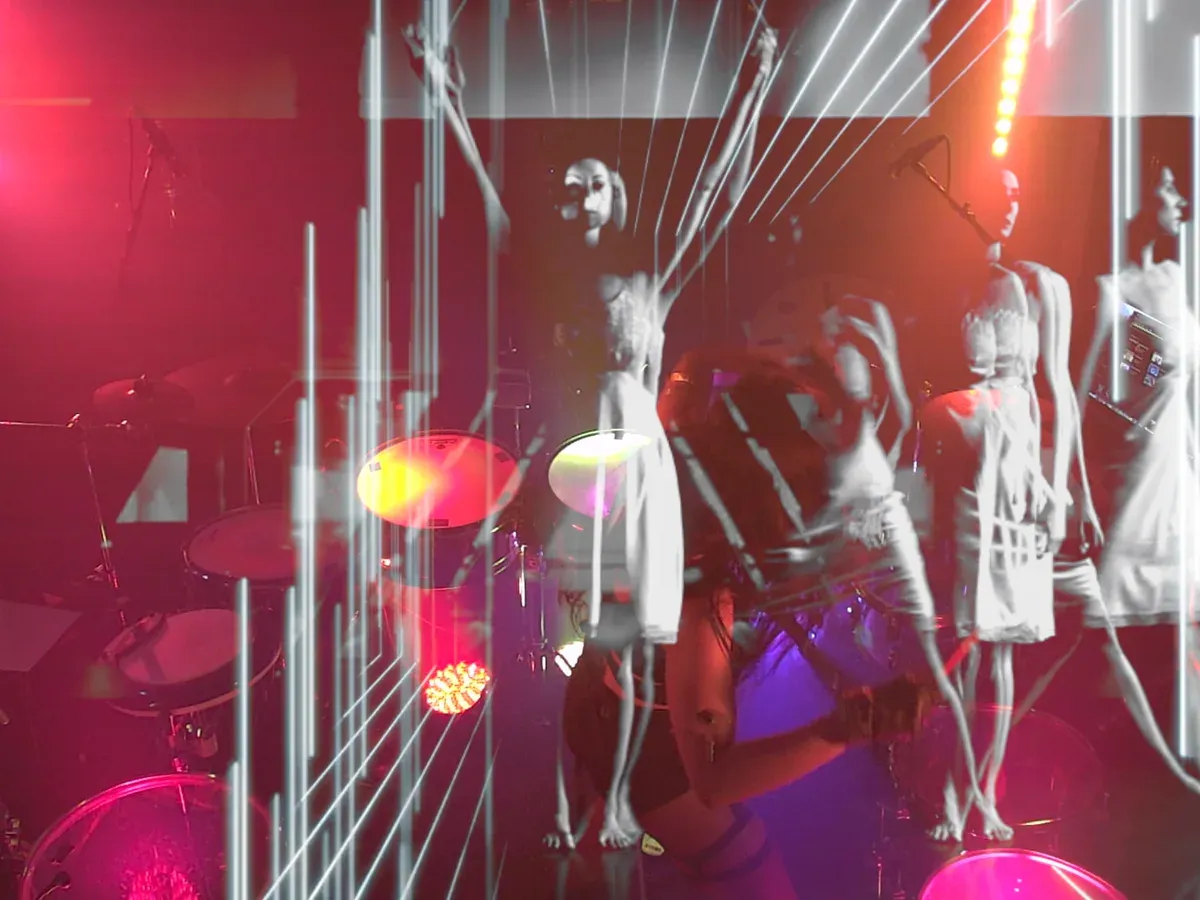
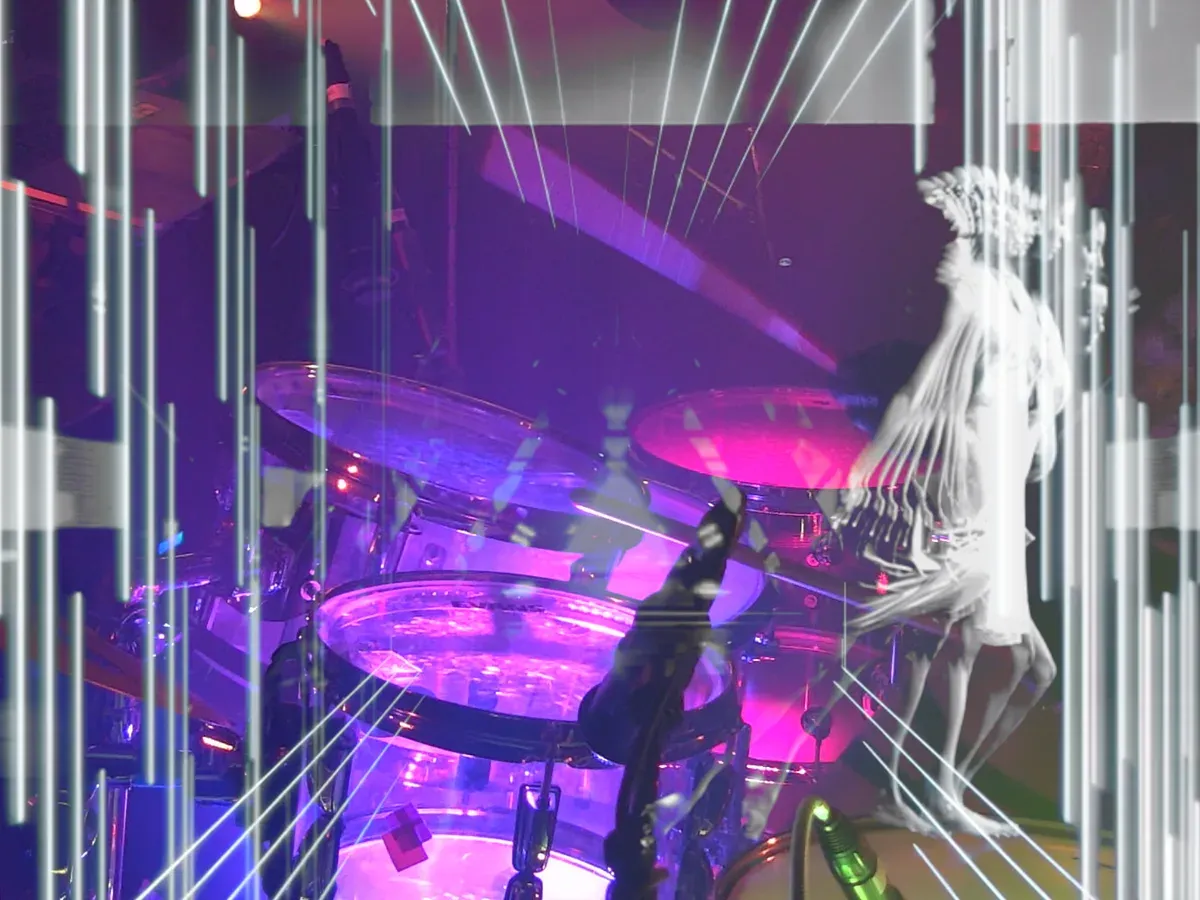
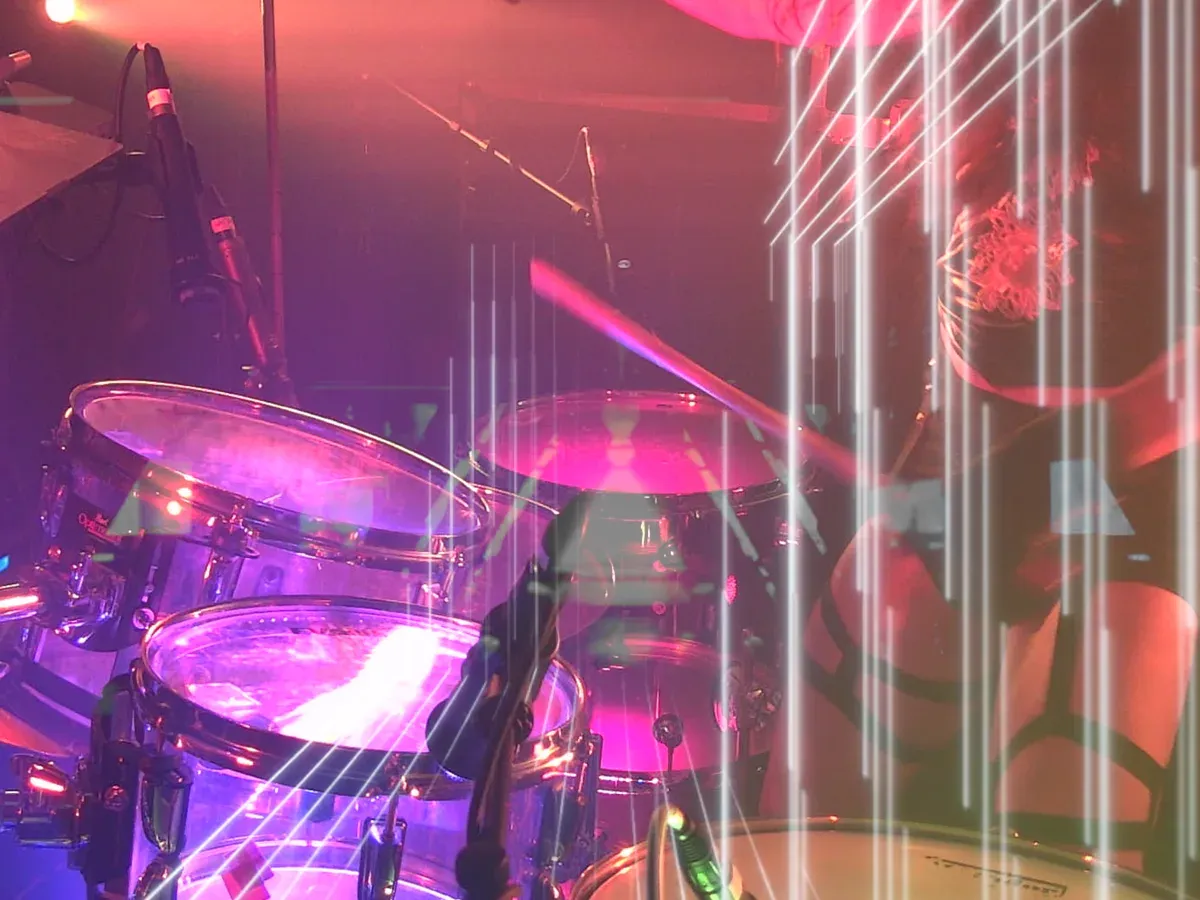
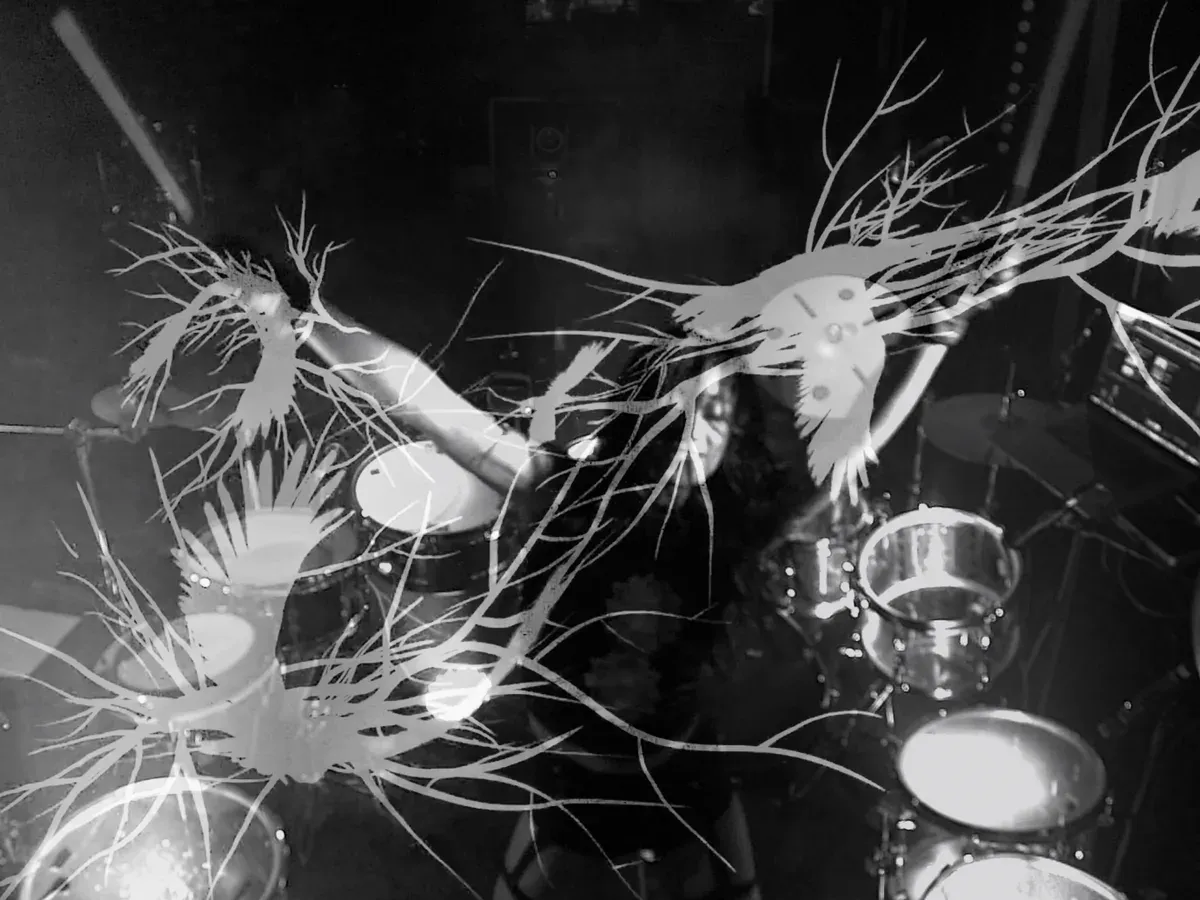
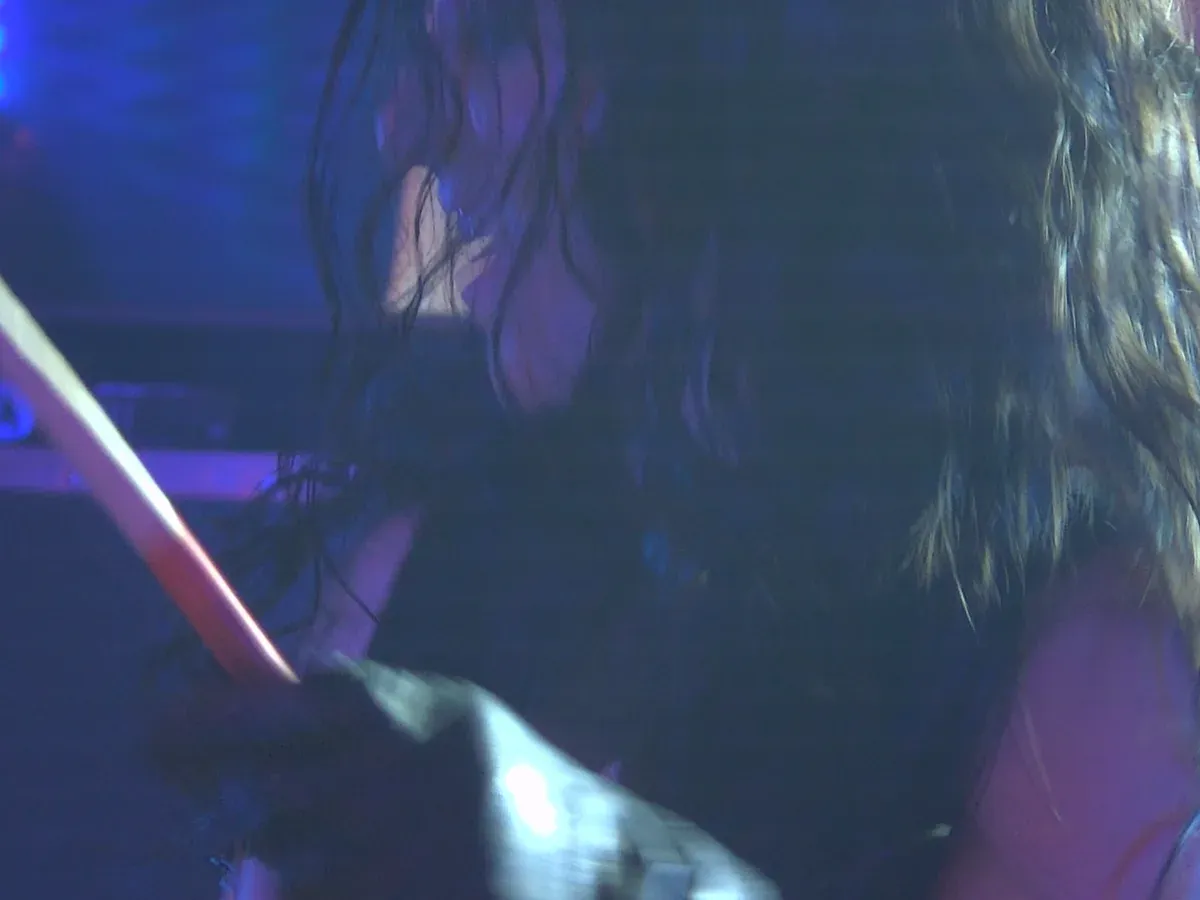
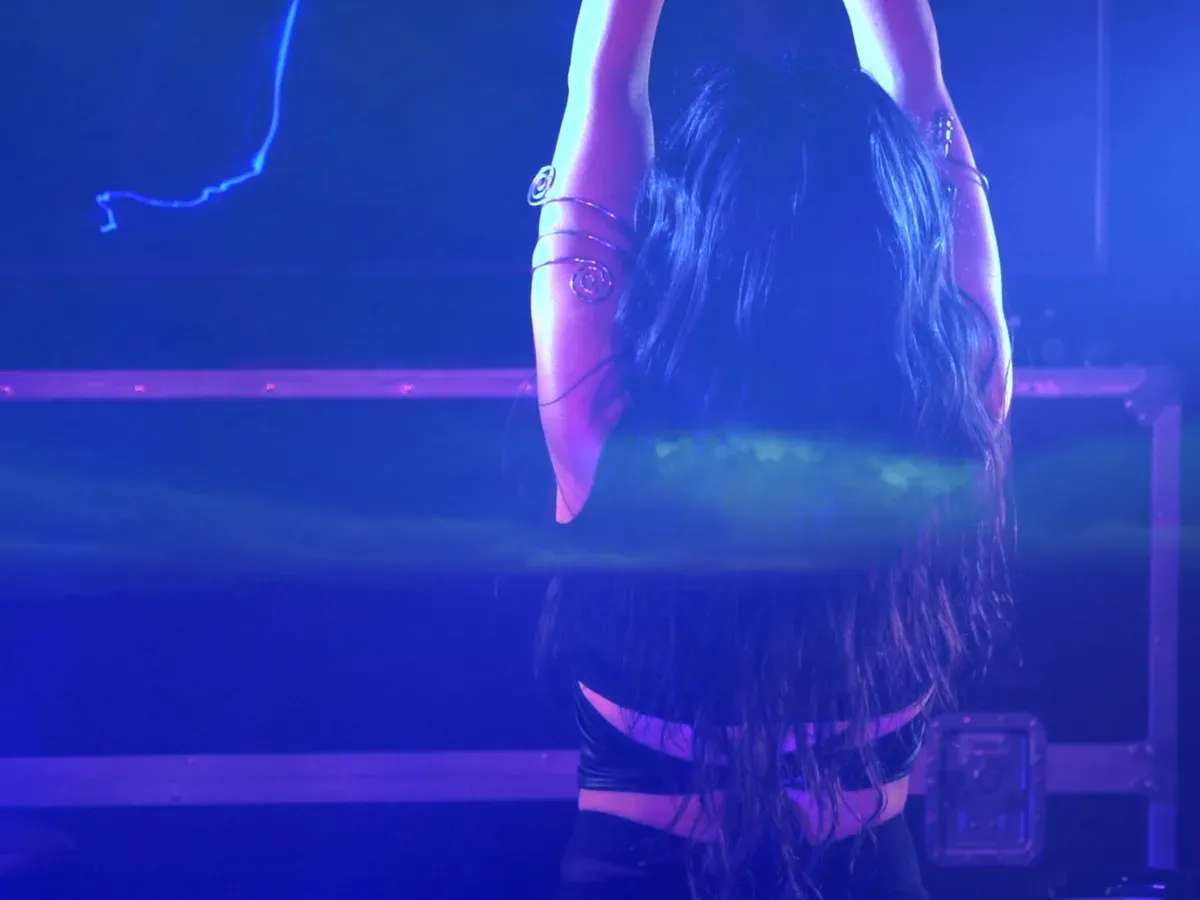
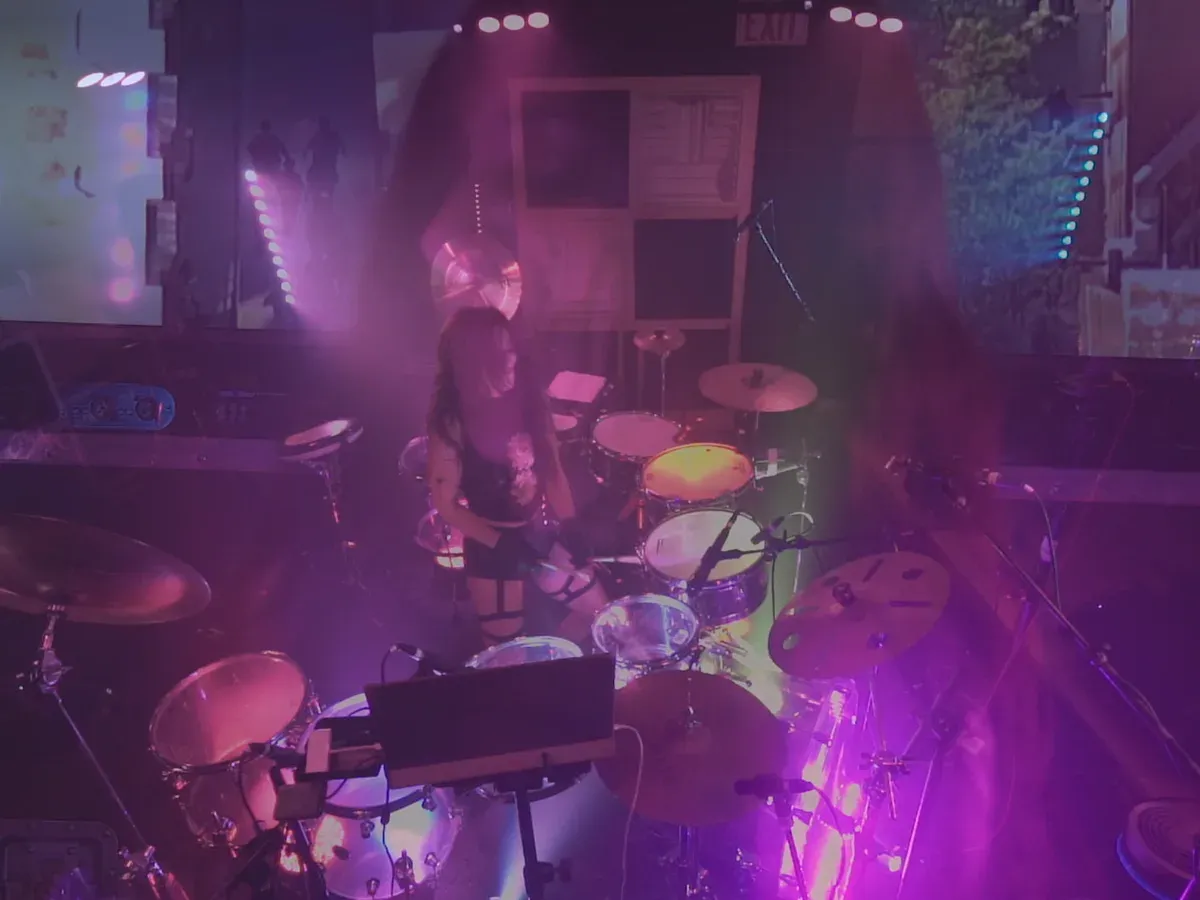
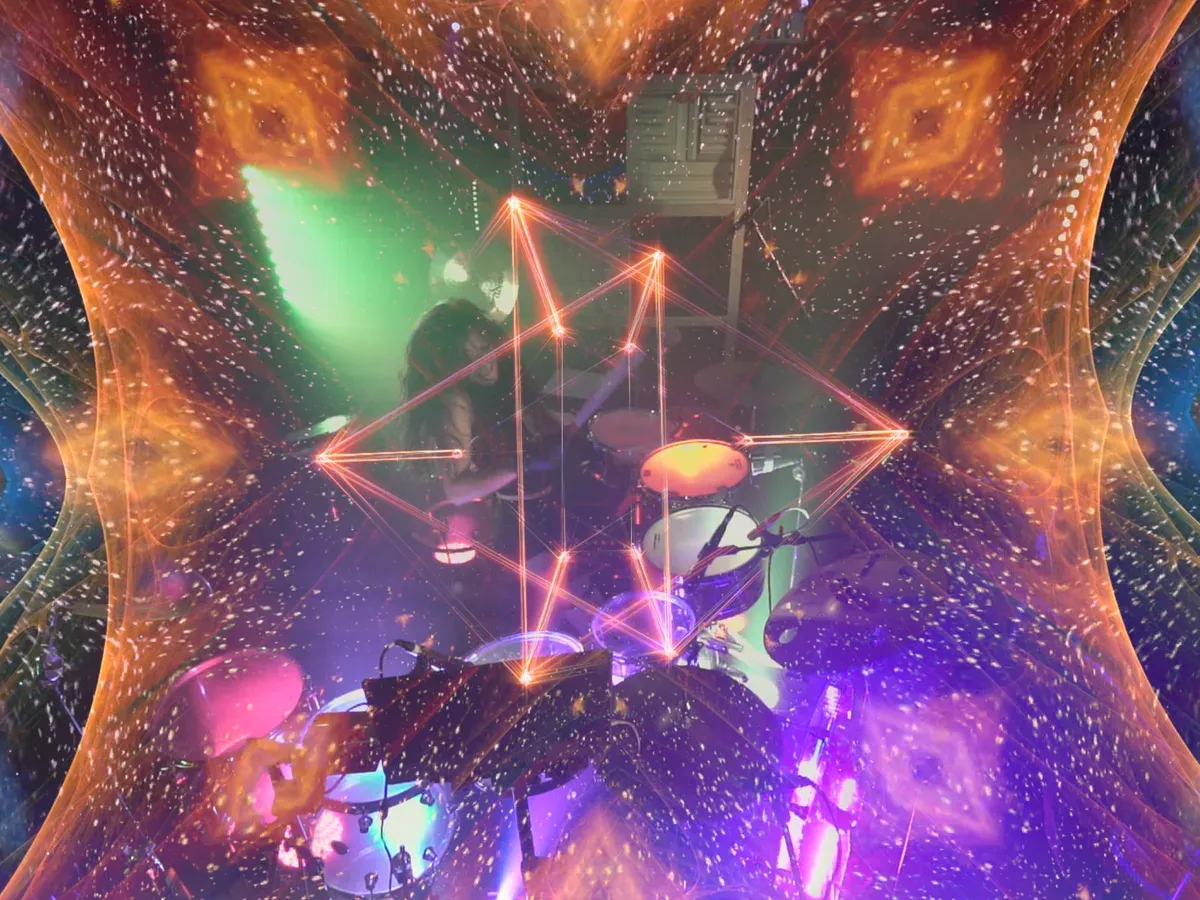
Stills from Be & Become, live drumming recorded at First Live Studio, Brooklyn. Swipe for more.
A dream, then and now
Martin Luther King Jr.’s “I Have a Dream” entered the piece because of what was happening in 2020.
After George Floyd’s murder, people were taking to the streets carrying the words “I can’t breathe.” I placed images of the crowds at the 1963 March on Washington, where King spoke at the Lincoln Memorial, alongside contemporary protests.
A before and after, nearly six decades apart. People were still gathering, still demanding racial justice. The montage moves through cities in the United States and beyond.
I wanted those two moments to speak to each other.
Putting them side by side was a way of asking what has changed, and what hasn’t. Progress is rarely a straight line. Sometimes the same words have to be carried into the street again by a new generation.
Other voices enter the journey, and each one carries a way of meeting pressure: Bruce Lee’s water, which adapts without losing itself; Maya Angelou’s “Still I Rise,” which refuses to stay down; women speaking publicly; people standing up for their rights.
I needed their courage while I was finding my own voice.
I think of the structure as a kind of hero’s journey that anyone can enter. The descent is where you learn to be: to stay with what you feel instead of running from it. The return is where you become: carrying what you learned back into the world.
Becoming, together
Toward the end, the film opens into color and fiesta.
There are cultural dances, acts of kindness, reunions and people overcoming obstacles. Bodies move in different ways, in different places. Celebration sits alongside the everyday gestures through which people care for one another.
For me, this is the dream taking form. What becomes possible when we imagine and create together.
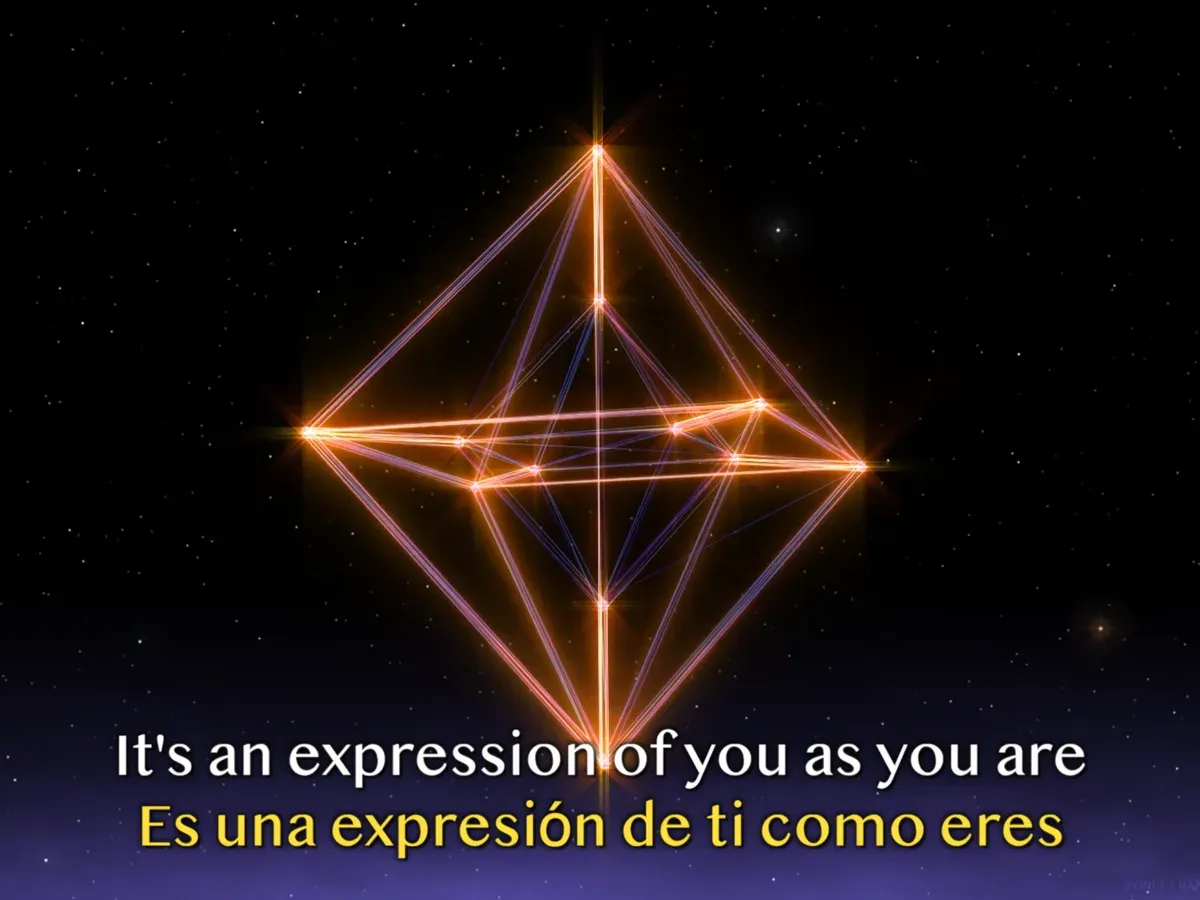
Then the film moves into portraits, couples, families and different forms of love. Children sing “Imagine,” and we meet individual faces across ages and cultures. The words “This is us / Somos nosotros” return.
After the crowds and the intensity, there is room to look at people individually. All these ways of being human. All these people we are and have become.
Change is usually told as a story about crowds. But a crowd is made of individual people, each carrying their own fear and their own courage. Ending on faces was my way of saying that what we become together still depends on who each of us allows ourselves to be.
The final images return to landscapes and the Earth, bringing the journey back to the world we share.
From the recording to the stage and cinema
The piece continued beyond its first presentation.
On August 20, 2021, I brought Be & Become to OLA’s Pachanga at the Parrish Art Museum. Svitlana Zavialova, also known as Wu Woman, joined me, bringing martial arts and movement into the performance alongside my drumming.
On September 18, 2021, Myth & Motion screened at Sag Harbor Cinema as part of the Under 21 program at OLA’s 18th Annual Latino Film Festival of the Hamptons. The festival program listed it as a 28-minute video concert.
Watching it again years later, I cried. I felt that range of emotions all over again.
The question at its center is still alive for me: how to allow myself to be, while remaining open to what I can become. And how that personal possibility connects to what we might become together.
Credits
Myth & Motion: an OLA of Eastern Long Island project led by Minerva Perez, produced by OLA Media Lab, featuring Skylar Day and Mila Tina.
Be & Become: a Mila Tina production in association with OLA of Eastern Long Island.
Executive producer: Minerva Perez. Producer, director, live performer, audio/video/visual effects editor and sound mixer: Carolina Fuentes, also known as Mila Tina. Assistant director and assistant video editor: Elizabeth Chavez.
Live drumming recorded at First Live Studio, Brooklyn. Recording and live mixing, camera operation, video mixing and broadcasting: Danny García. Recording engineering, lighting and stage design: Edrick Subervi. Makeup: Diana Osorio.
Additional music, footage and photography are credited in the film. Parrish performance collaborator: Svitlana Zavialova.