There is something about listening to two people remember a life together. One begins a story. The other corrects a detail. Suddenly, you are hearing about a different decade, a place you have never been, and someone is insisting that is absolutely not how they met.
History has entered the room. So has a small disagreement.
I love that.
Those moments are part of what draws me to The Sapphic Gospel, an evolving project bringing together film, sound, rhythm, performance, and the stories of queer women across generations.
At its center is a question I keep returning to: what do we want the people who come after us to know about our lives?
Who we loved, yes. Also what we created, what we contributed, what frightened us, what made us laugh, and how we learned to become ourselves.
Why “gospel”?
The title does arrive with a few questions. Fair enough.
For me, gospel expresses the care I want to give these stories. Calling them sacred means treating the people who share them, and the lives behind their words, as worthy of attention and preservation.
There is room within that for uncertainty, contradiction, and humor. A memory can be deeply meaningful even when two people remember it differently. Sometimes the difference tells you something about the relationship, too.
Sapphic names the love and connection between women at the heart of the project. From there, the stories open into other parts of life: teaching, music, friendship, organizing, family, desire, and the freedom to begin again.
I want future generations to encounter that fullness. To hear how someone spoke, what she cared about, where she hesitated, and what still made her laugh after all those years.
The lives inside the history
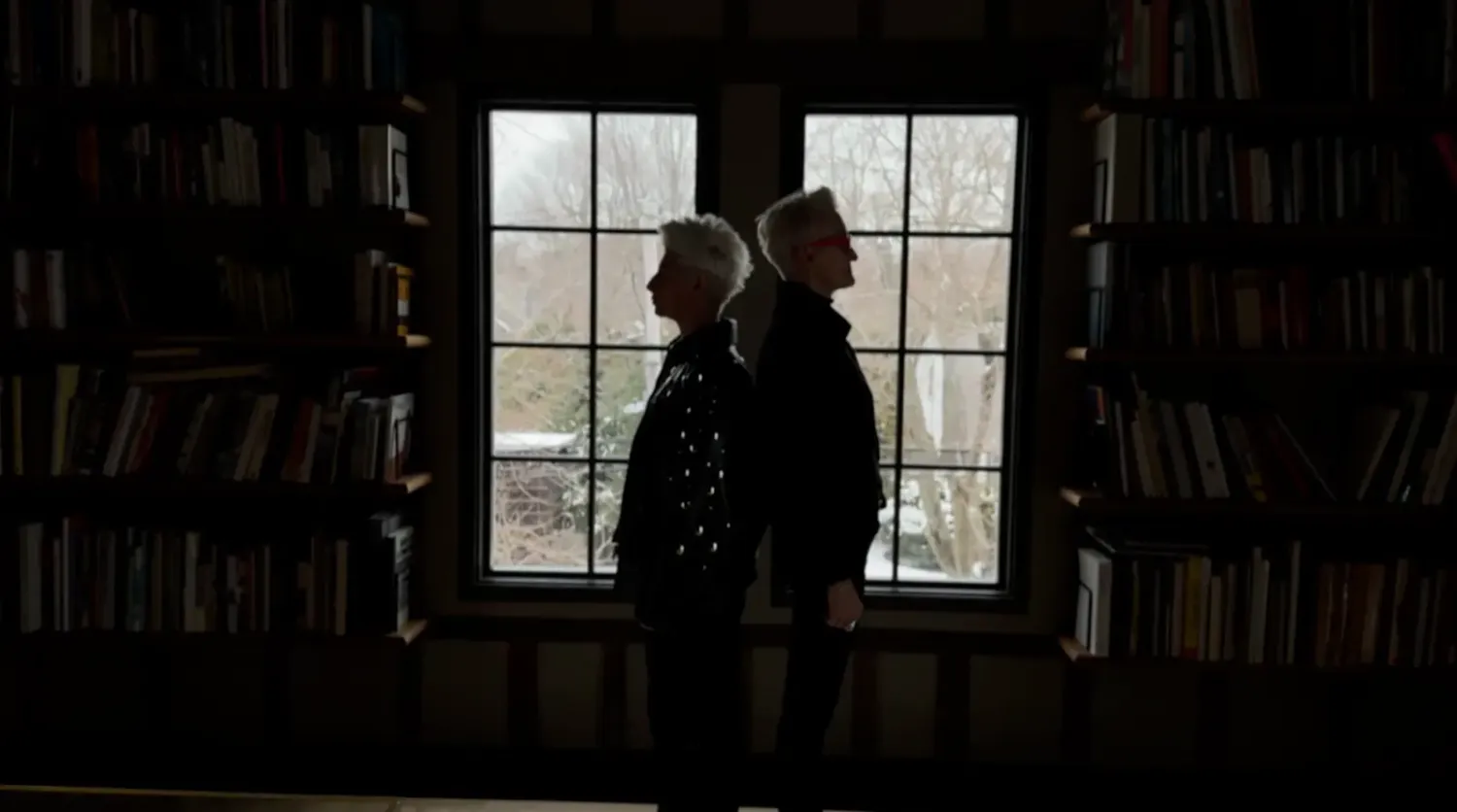
My conversations with Kathy Henderson and Alejandra Dubove helped bring these questions into focus.
Many people here know them through The Fistys, their self-described Sappho punk band. I have had the honor of performing with them and recording their second EP. Their music is one reason I admire them. Listening to their lives gave me many more.
They spoke about education, visibility, community, and the decisions involved in living openly. Kathy shared her experience helping build an organization for LGBTQ students and educators, and what it felt like to see her contribution left out of accounts she encountered later. Alejandra spoke about bringing women’s voices into her teaching and standing by those choices.
Those stories made the question of preservation very concrete. A name attached to a contribution helps someone understand how change actually happened: through people, relationships, work, and decisions made over time.
They also remembered support. The people who welcomed them, encouraged them, and made another way of living seem possible.
And there was affection, teasing, and the particular humor of two people who know each other very well.
That belongs in the record, too.
I wrote about Kathy and Alejandra in a separate article, The Fistys: Sappho Punk and a Curriculum of Their Own. Their conversation deserves space to unfold. Here, it helps explain why The Sapphic Gospel keeps growing beyond my first ideas about it.
The people shape the project as much as the concept does.
An afternoon at The Church
During my residency at The Church in Sag Harbor, a group of lesbian women joined us for an afternoon. They became part of the footage, bringing their presence into the work while it was still taking shape.
I value that part of the process: making something in the company of people whose experiences can deepen it.
Keeana Kee and Ariana Castelli also joined me during the residency, with Alona Lapkovska helping make it happen. Keeana, Ariana, and I have shared many stages. This gave us another context in which to create together.
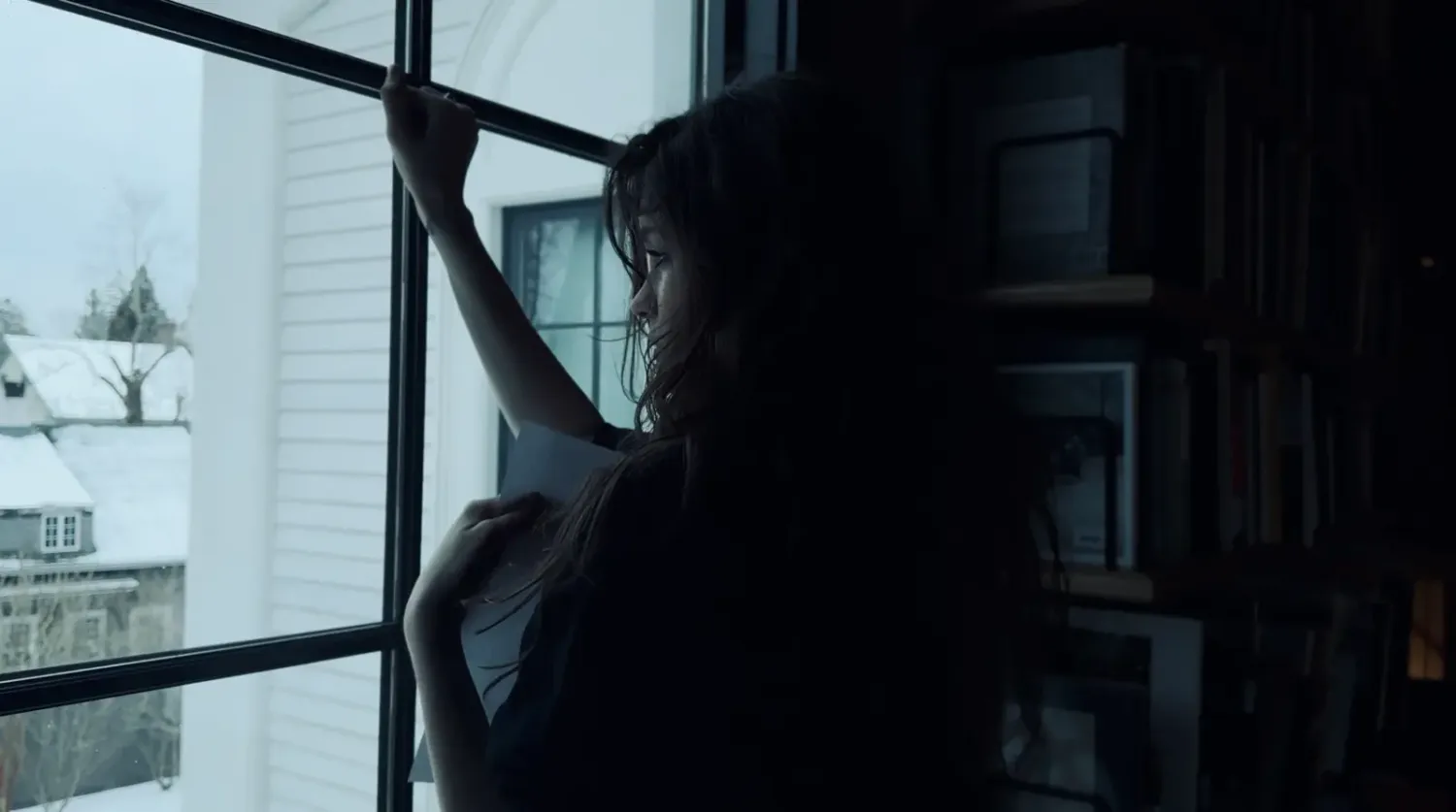
And yes, The Sapphic Gospel found itself at The Church.
That was unplanned. The name already existed.
I appreciate a venue that commits to the concept before anyone asks.
What a voice carries
As a percussionist, I pay attention to timing. Listening to these conversations, that attention takes another form.
A pause can change the meaning of a sentence. So can a laugh, a breath, or the moment someone reaches for a word. The way a story is told can reveal something that a written summary has difficulty holding.
That is part of why I am developing this work across several forms. Film can stay with a gesture. A recording can preserve the texture of a voice. Music and movement give me a way to respond to what I hear.
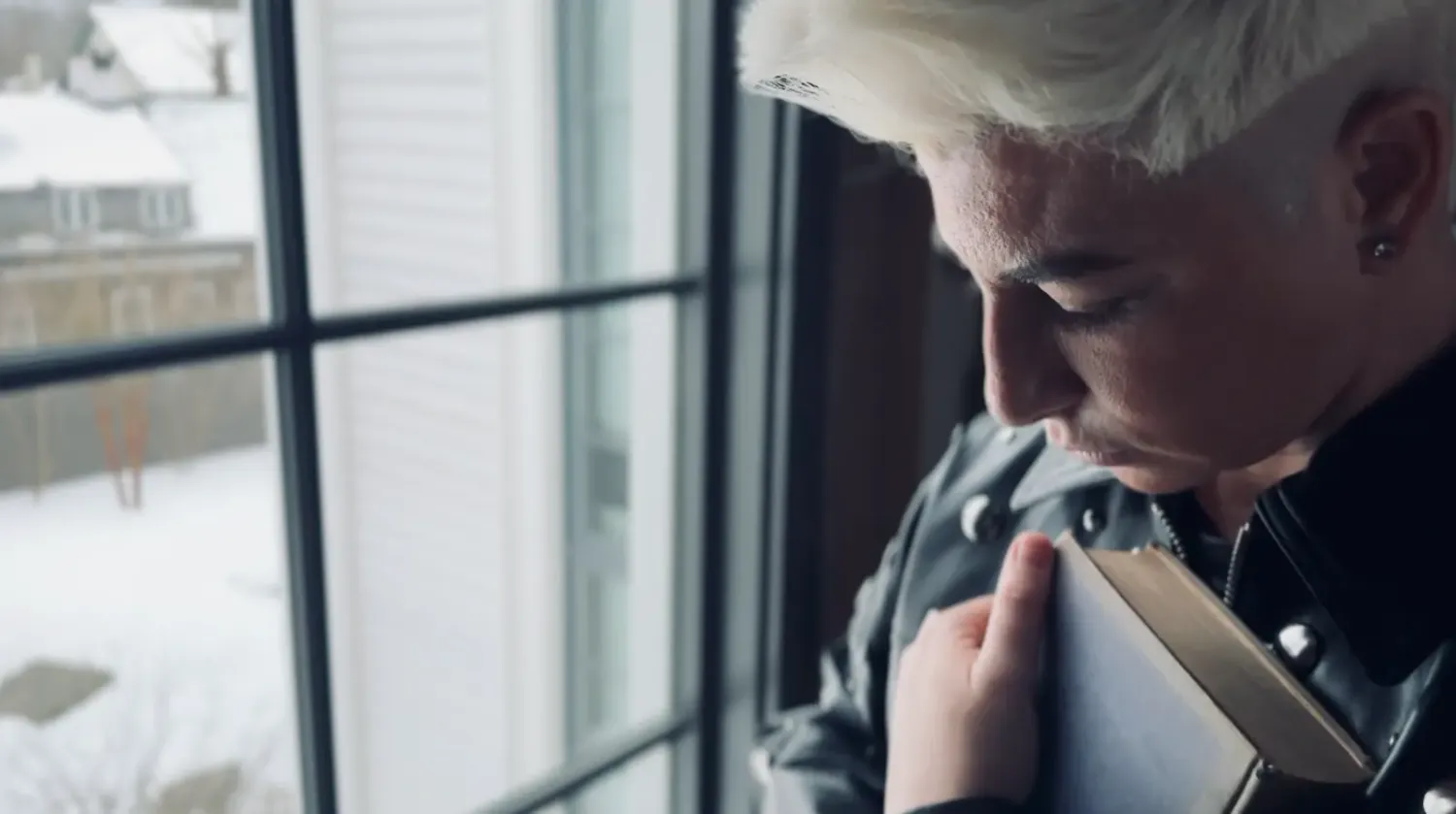
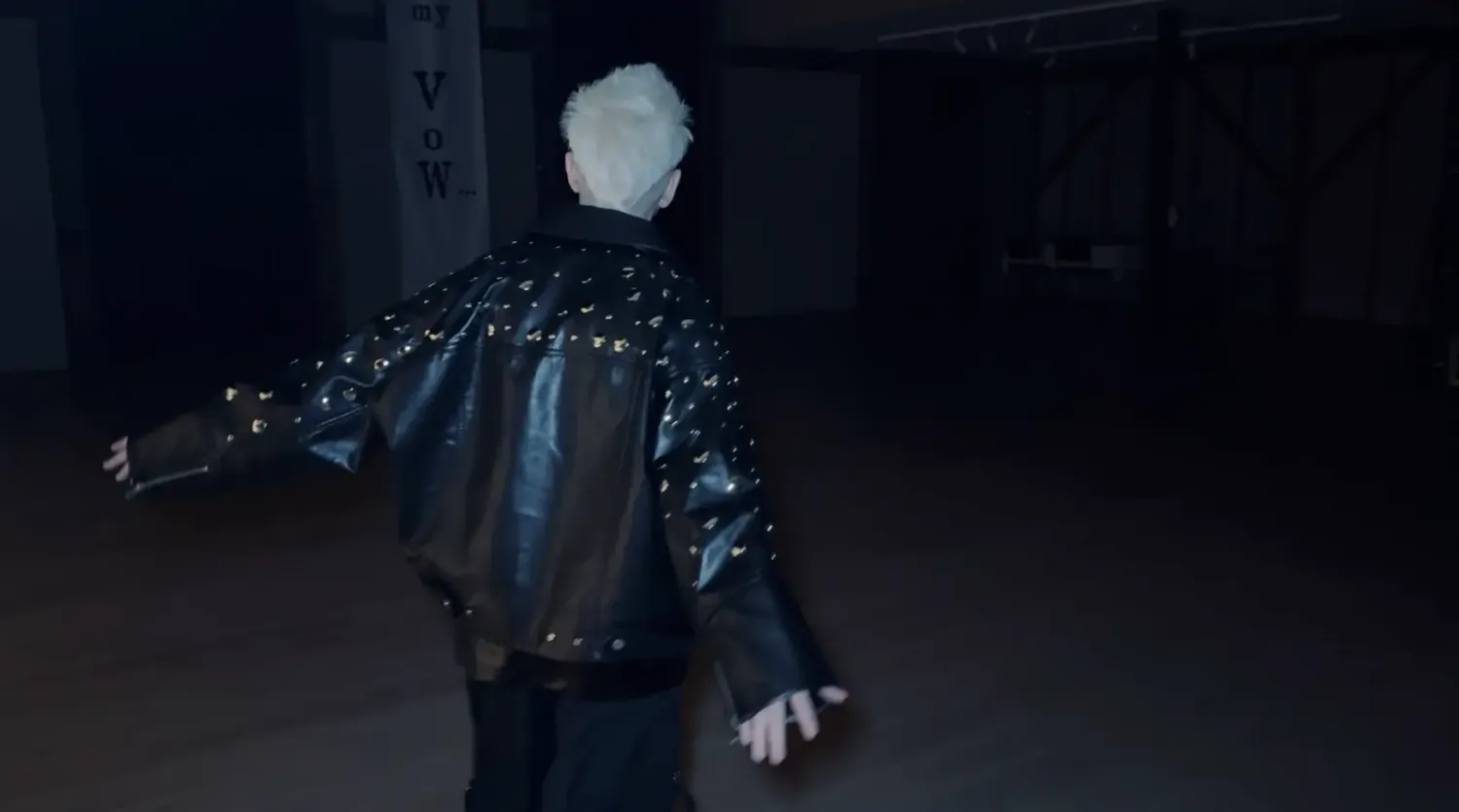
There is a responsibility in bringing those elements together. I want the artistic choices to leave room for the person speaking, for the particularity of her experience, and for things I may not fully understand.
Listening asks something of the artist, too. It asks me to let the work change.
Remembering across generations
One of the things that stays with me is how seeing someone live openly can make a different life imaginable.
Before there is a plan, there may simply be recognition: Oh. That is possible.
I also want the project to help us understand how the freedoms we experience became possible. The chance to love more openly, to be visible, to imagine a life together has been shaped by people who took risks, built communities, and made room for others, sometimes without knowing who would eventually walk into that space.
Listening to their stories gives my gratitude somewhere specific to land: a person, a decision, an act of courage or care. It helps me recognize what I have inherited and consider what I might contribute.
Our generations face different circumstances, and those freedoms are still uneven. There is something valuable in listening across those differences: understanding what it took then, what it takes now, and what we hope will become possible for the people who come after us.
Someone’s life can be very different from yours, yet her words can help you recognize something in yourself. There is no need for every story to arrive at the same conclusion. I am interested in the variety: different ways of loving, making a home, finding community, creating work, and deciding what matters.
The larger vision for The Sapphic Gospel is a living archive, bringing together interviews, photographs, letters, recordings, and artistic contributions across generations. That vision is still developing. The conversations and footage are part of its beginnings. The interviews remain private unless the women who share them want to make them public; the form and scope of any future public archive are still being developed.
I want it to remain open to what people bring, including the stories I would not have known to ask for.
What we hold sacred
When I think about what deserves to be passed on, I think about the accomplishments and the difficult decisions. I also think about ordinary details: a joke, a gesture, the way someone says her partner’s name.
Those details make it possible to meet a person within a history.
That is the kind of attention I want to bring to The Sapphic Gospel. Careful enough to preserve a contribution. Curious enough to keep asking questions. Open enough for people to be complex, funny, and still changing.
The work continues through the women who share their stories and the people making it with me.
And if, years from now, someone encounters a voice in this project and feels a little more able to imagine her own life, I would love that.
We should probably keep the disagreements about how they met, too.
For the record.
By Mila Tina.